Choosing the Right Commercial Seating For Bistro
The chairs in your bistro are not simply decor. They determine how many guests you can seat, how fast your team can reset a table, how often you replace worn furniture, and how long guests choose to stay. For restaurant owners and procurement managers worldwide, selecting the right Commercial Seating For Bistro is one of the highest-leverage decisions you will make during a fit-out or renovation.
Walk into any successful bistro — from a Parisian corner café to a high-volume brunch spot in Melbourne — and you will notice that the seating does two jobs at once. It sets the mood, and it keeps the room working at peak efficiency. The challenge is finding the balance between character and operational performance.
This guide covers the key factors that separate seating that lasts five years from seating that wobbles by its first anniversary. As a Commercial Furniture Manufacturer with more than 20 years of experience supplying hospitality venues across Europe, North America, and the Middle East, we have seen what works and what fails in real bistro environments.
What Makes Bistro Seating Different From Standard Restaurant Chairs?
Bistro and café chairs are a character family more than a structural one. Typically they use lightweight frames — often metal or bentwood — and are frequently stackable, descended from Parisian pavement cafés. They suit daytime trade, tight terraces, and anywhere the furniture needs to be moved daily.
Standard dining chairs, by contrast, prioritize comfort and dwell time. The side chair — armless, straight-backed, four legs — has the smallest footprint of any freestanding format and is the default choice for dense casual rooms. Armchairs trade density for dwell: arms add 8 to 12 cm of width per chair and prevent the frame from tucking fully under most tables, but guests sit longer and rate comfort higher.
Here is the practical distinction that matters most for bistro operators:
Note that seat height is rarely the differentiator. Most commercial bistro chairs pair with standard 28–30 inch tables. The real distinctions lie in frame construction, weight, and intended service model.
Space Efficiency: Where Bistro Seating Delivers Measurable ROI
Floor area is revenue. The more seats you can place without violating safety clearances, the greater your potential covers per service. Seating with a smaller footprint increases the number of covers, maximizes seating capacity, and facilitates the movement of staff.
Bistro chairs excel at this for three reasons:
- Smaller footprint. A typical bistro chair occupies significantly less floor area than a standard upholstered dining chair.
- Stackability. When not in use, bistro chairs stack five or more high on a trolley, freeing the entire floor for cleaning or reconfiguration.
- Tuckability. Because bistro chairs are armless and slim-framed, they slide fully under tables, reducing the effective footprint of each seating position.
For bistros operating in urban locations where rent per square meter is high, these efficiencies translate directly into improved revenue per available seat. As a Commercial Seating Supplier, we regularly help operators model their floor plans to find the optimal chair count for their space.

Durability Standards Every Bistro Operator Should Know
Residential chairs fail in commercial settings within months. The difference is not marketing language — it is engineering. Commercial restaurant furniture is engineered to withstand constant use, heavy weight loads, and frequent cleaning with industrial-strength chemicals.
When evaluating Commercial Bistro Chairs, look for these durability markers:
- Weight capacity. Commercial-grade seating should comfortably support 250 to 500 pounds (113–227 kg) for diverse guest populations.
- Frame material. Metal chairs for commercial use are made with 18 gauge steel as opposed to 22 gauge in most residential furniture — the smaller the gauge, the stronger the frame.
- Joinery. Look for robust joinery such as mortise and tenon joints, which are renowned for their strength and ability to endure significant stress without falling apart.
- Surface finishes. Scratch-resistant coatings and fade-resistant upholstery reduce replacement cycles.
Many contract chairs are visually identical to domestic ones. The difference sits in the frame construction, the joint reinforcement, the fabric specification, and the certification behind them.
As a Bistro Chairs Manufacturer, we subject every model to rigorous testing. Our Nordic Stackable Restaurant Bistro Dining Aluminium Chair 796S-H45-ALU, for example, has passed EN 581-1:2017 and EN 581-2:2015/AC:2016 — the European standards for contract-use seating safety and mechanical performance. Our French Outdoor Stackable Cafe Industrial Bistro Commercial Metal Chair 763S-H45-ALU also meets these same EN standards, with a double-varnish finish that makes the chair waterproof and rustproof.
Matching Seating to Your Service Model
Not every bistro needs the same chair. The right choice depends on how your room works.
Choose bistro chairs when:
- Your floor plan is compact and seating density is a priority
- You operate a terrace, patio, or sidewalk seating area
- Your service model emphasizes high turnover
- You need flexibility for events, seasonal changes, or daily reconfiguration
Choose standard dining chairs when:
- Your concept centers on multi-course dining and extended dwell time
- You have generous floor area and want to emphasize comfort
- Upholstery and material richness are central to your brand positioning
Consider a hybrid approach when:
- Your bistro has distinct zones — for example, a casual bar area and a more formal dining room
- You want visual variety without sacrificing operational coherence
This zoning strategy gives guests visual cues about the experience in each area while allowing you to optimize each zone for its specific function. A healthy mix for most full-service concepts is roughly 60 percent standard tables and chairs and 40 percent booths or banquettes.
Material Selection: The Long-Term Cost Calculator
The upfront price of a chair is only part of the equation. The total cost of ownership includes replacement frequency, maintenance labor, and the revenue lost when broken chairs reduce your seat count.
Aluminum frames offer the best weight-to-strength ratio and are naturally rust-resistant. They are ideal for outdoor and covered terrace use. Our Luxury Nordic Stacking Restaurant Bistro Bar Chair Set 836MS-H45 combines an aluminum frame with wood arms for an industrial-chic look that holds up to daily wear and tear.
Steel frames are heavier and more rigid, making them suitable for indoor applications where stability is paramount. Powder-coated finishes resist scratching and corrosion.
Wood frames — particularly beechwood — offer warmth and traditional character. Commercial-grade wooden chairs are typically constructed of beechwood, a better quality wood than what is used in residential furniture.
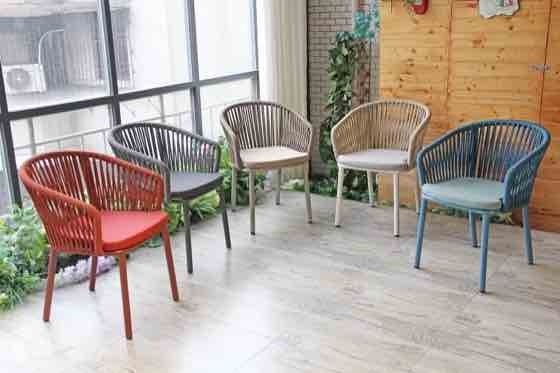
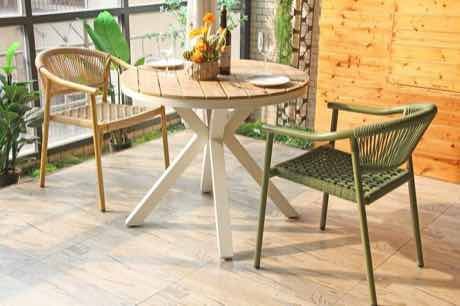
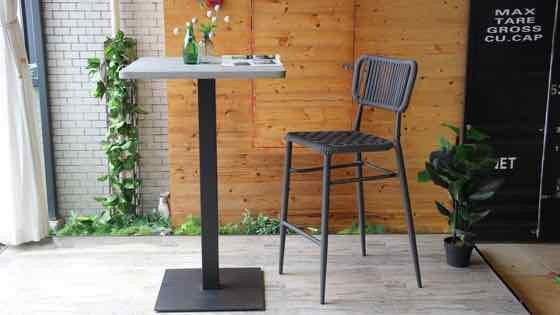
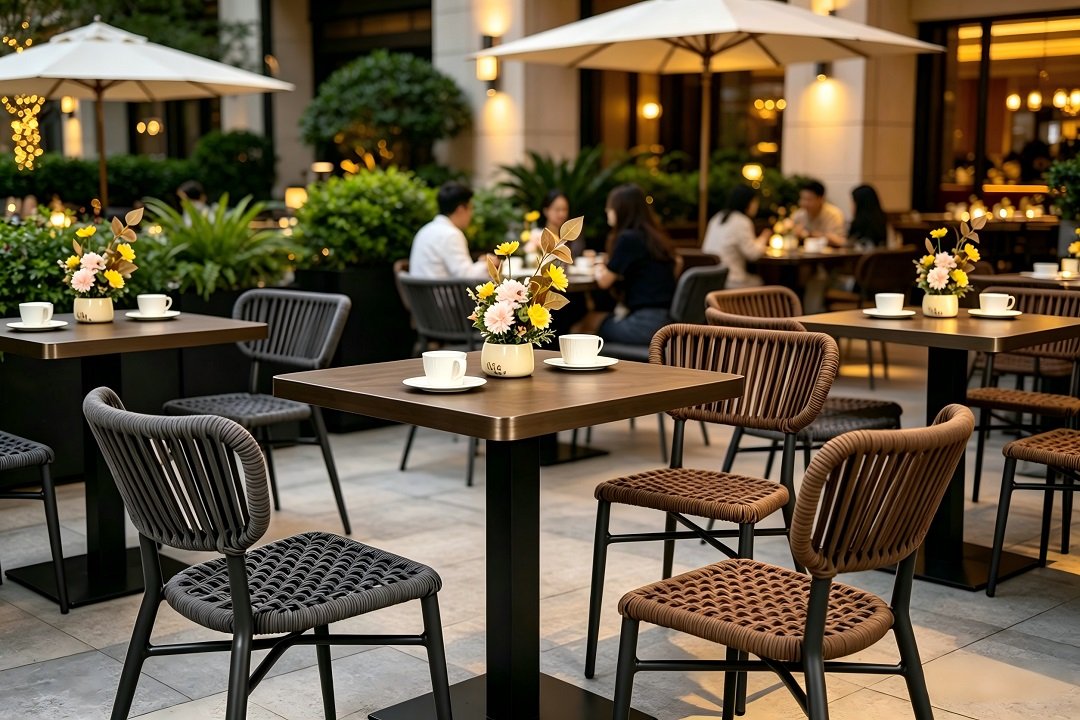
Hand-woven synthetic rope over powder-coated aluminum delivers both weather resistance and tactile appeal. This material palette has become increasingly popular in bistro environments that want a natural, artisanal look without the maintenance demands of real rattan.
Design Trends Shaping Bistro Seating in 2026
The most successful bistros today are not just restaurants — they are “chameleon venues” that shift from co-working spaces at noon to intimate dining at night, and high-energy lounges by midnight. This flexibility demands furniture that can move with the concept.
Current design directions in Commercial Seating For Bistro include:
- Soft, curved seating. Curved backs and organic shapes create a “hug” effect that makes guests feel more comfortable, encouraging longer stays.
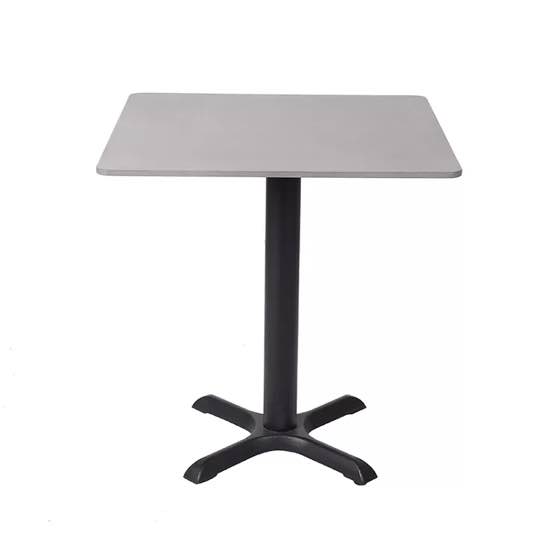
- Modular and flexible layouts. Connector-style bases with interchangeable tops allow staff to reconfigure the room in minutes.
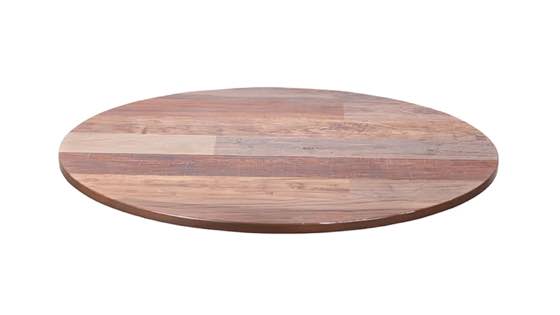
- Rich wood tones and warm color palettes. Earthy finishes signal authenticity and craftsmanship.
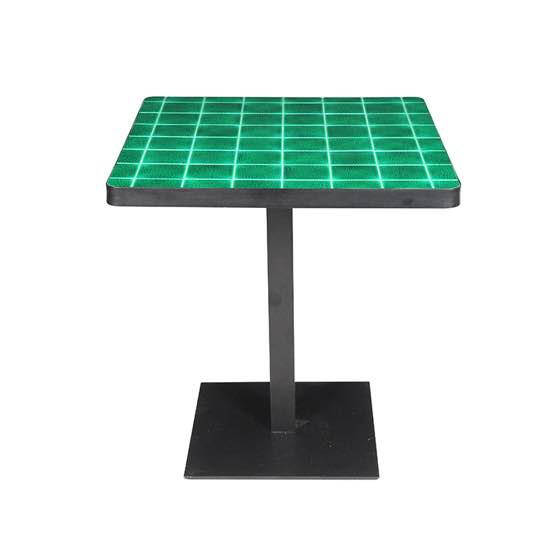
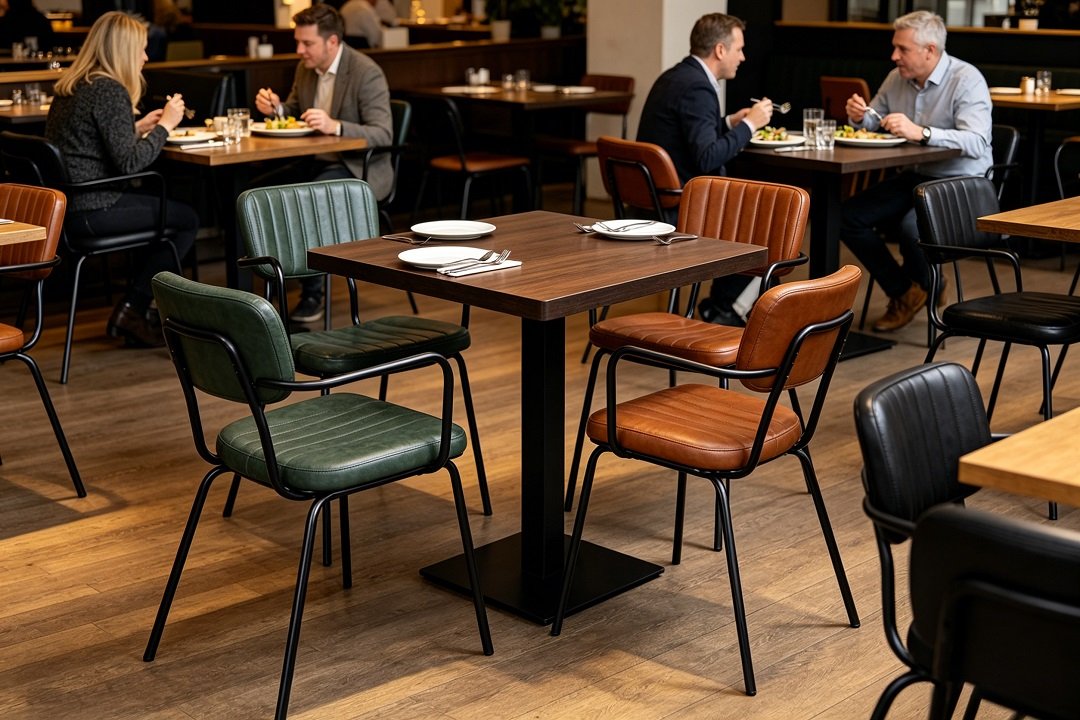
- Mix-and-match textures. Smooth vinyl next to distressed wood, or matte finishes paired with intricate weaving, creates visual interest that photographs well and reinforces brand identity.
The practical takeaway is that furniture should be selected for flexibility as much as for aesthetics. A bistro that can transform its layout for a private event, a seasonal menu launch, or a weekend brunch rush will generate more revenue from the same square footage.
What to Specify Before You Order
Use this checklist when preparing your seating specification:
- Measure your clearances. Standard seat height sits around 18 inches (45–47 cm), with table-to-seat clearance of 15–17 inches.
- Calculate your seat count. Allow 22–30 inches of width per person for high-volume dining.
- Verify weight capacity. Specify at least 250 lbs per seat for commercial use.
- Confirm certifications. EN 581 for outdoor and contract use; ANSI/BIFMA X5.1 or X5.4 for indoor seating.
- Plan for storage. If you are ordering stackable chairs, confirm the stack height and trolley compatibility.
Get a Custom Seating Plan Built for Your Bistro
Choosing the right Commercial Seating For Bistro is not about picking a single “best” chair. It is about matching seating to your floor plan, service model, and brand identity.
We would like to offer something genuinely useful: a free Bistro Seating Specification Worksheet that covers seat height pairing, clearance calculations, weight capacity benchmarks, and material selection criteria for different climate zones. It is the same internal specification tool our project team uses when preparing quotations for hospitality clients.
To receive your copy — and to discuss bulk pricing or custom manufacturing for your venue — simply fill out the inquiry form below with your project details. Tell us your venue type, approximate seat count, and any styling preferences. Our team will respond within one business day with a tailored recommendation and a no-obligation quotation.
Whether you need 50 stackable bistro chairs for a terrace or 500 upholstered dining chairs for a hotel group, we have the production capacity — a 20,000 square meter factory with a semi-automatic production line and more than 150 skilled workers — to deliver on time and to specification. Let us help you build a bistro that works as hard as you do.
Ready to spec your bistro seating?
Contact our project team today at cdg01@cdgfurniture.com or fill out the inquiry form on our website. Share your floor plan, seat count, and design references — and receive a tailored seating proposal within one business day.