- cdg01@cdgfurniture.com
- MP & WeChat & WhatsApp: +86-13926103331 (Ms. Lisa Liang)
-
![]()
-
![]()


CONTACT US
SEND INQUIRY NOWBy: CDG
Date: 03/04/2026
Email: cdg01@cdgfurniture.com
Tel: +86-20-36933270 / 36933272 / 36933273 / 36853567
MP & WeChat & WhatsApp: +86-13926103331 (Ms.Lisa Liang)
Whether you’re launching a brand-new restaurant or refreshing an existing space, furniture is never just about tables and chairs. It is the physical embodiment of your brand, a tool that shapes customer experience, and a significant capital investment. However, the procurement strategies for new builds and renovations operate under completely different sets of logic, budget constraints, and timelines. Understanding these differences can help you maximize ROI while ensuring your dining space delights customers from day one.
Let’s break down the distinct approaches required for each scenario—and how partnering with the right manufacturer can make all the difference.
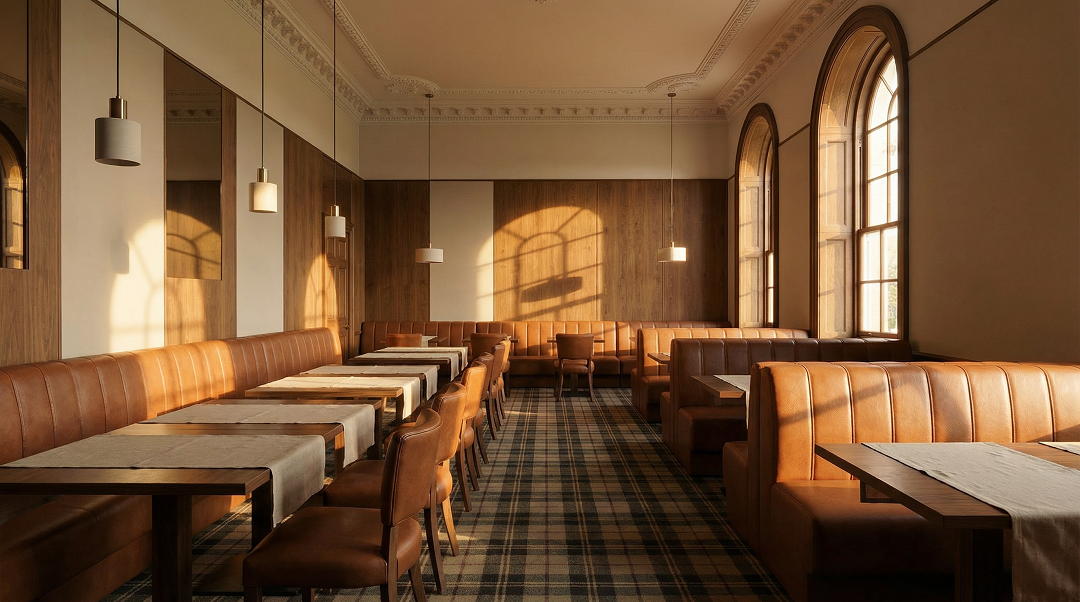
Part One: New Opening — Building a foundation from scratch
A new restaurant opening is a blank canvas, and every piece of furniture you select will define the space from the ground up. For new builds, furniture decisions are deeply intertwined with your concept, brand identity, and overall interior design.
Brand Alignment and Concept Execution
When you start from scratch, your furniture must fully realize your restaurant’s personality. A luxury steakhouse might gravitate toward dark leather chairs and solid wood tables, while a minimalist café could opt for light-toned wood and clean lines. This is your chance to create a cohesive look where every element—from seating to tabletops—works in harmony. Modular and adaptable furniture is also trending in 2026, as restaurants increasingly blend bar, lounge, and dining concepts to create flexible, experience-led spaces.
Durability and Future-Proofing
New restaurants need furniture engineered for the long haul. Commercial-grade pieces should be tested to withstand heavy daily use: reinforced frames, high-density foam cushions (35–45 kg/m³ for heavy hospitality use), and fire-retardant upholstery materials are non-negotiable. Look for compliance with BIFMA (North America) or EN standards (Europe) to ensure safety and durability.
Lead Times and Phased Ordering
For new openings, timing is everything. Wholesale restaurant furniture typically carries average lead times of 15–45 days depending on customization scope and order volume. Custom pieces require additional planning. Working with a manufacturer that offers clear timelines and reliable communication can save you weeks of scrambling.
Building a Complete Solution
Unlike renovations where you might replace only certain pieces, new openings require everything at once: dining chairs, tables, booths, barstools, outdoor seating, and lounge furniture. This is where factory-direct sourcing shines—consolidating your order with one supplier often reduces lead times by up to 30% compared to fragmented sourcing models.
Part Two: Renovation — Strategic Refresh with Measured Investment
Renovating an existing restaurant presents different priorities. You already have a functional space and likely some usable furniture. The challenge is knowing what to keep, what to refurbish, and what to replace entirely.
The Repair vs. Replace Decision
A common rule of thumb: if repair costs exceed 50% of replacement value, replacement usually provides better long-term value. However, refurbishment can be a budget-friendly option when your furniture is less than five years old and structurally sound. Reupholstery, repainting, or refinishing tabletops can breathe new life into existing pieces at a fraction of the cost of full replacement.
Following Trends Without Losing Identity
Design trends shift, and renovations are often driven by a desire to stay current. In 2026, hospitality interiors are moving away from cool grays and stark whites toward warmer, grounded color palettes—think sand, taupe, olive green, and terracotta. Curved sofas, rounded lounge chairs, and organic banquette seating are becoming central features in restaurant interiors, creating flow and a more inviting atmosphere. If your existing furniture is structurally sound but visually outdated, reupholstering in on-trend fabrics may be all you need.
Sustainability and Brand Values
For many restaurateurs, sustainability is no longer optional but a core brand value. Refurbishing existing furniture aligns perfectly with eco-conscious ethos—reducing waste and extending product life cycles. If replacement is necessary, prioritize manufacturers that use responsibly sourced materials, FSC-certified wood, or recycled content.
Health, Safety, and Liability Considerations
Older furniture may pose hidden risks. Faulty joints, degraded foam, or outdated fire-retardant materials can become health and safety hazards. If your furniture exceeds five years of heavy use, investing in new contract-grade pieces may be the safer route for both your customers and your liability coverage.
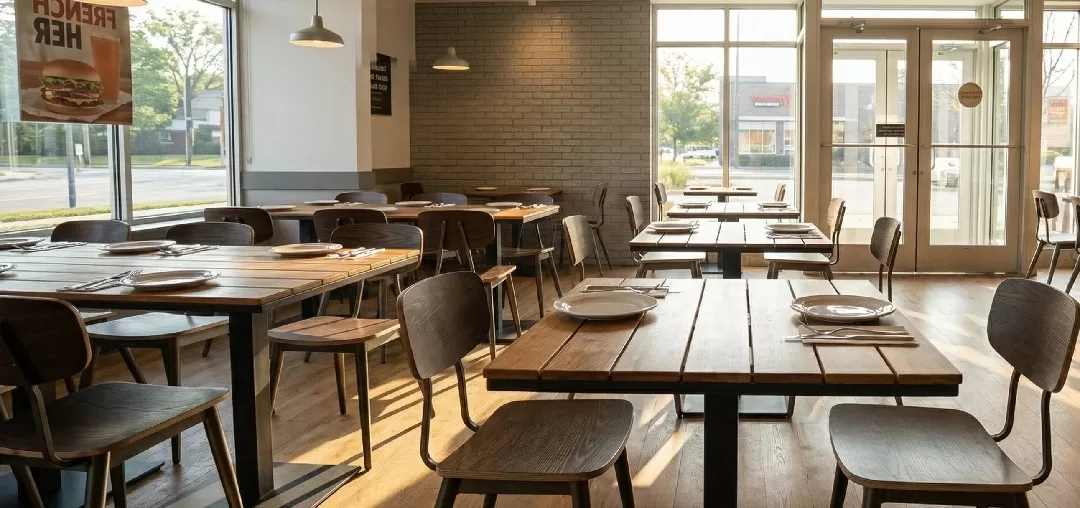
Part Three: What Both Scenarios Have in Common
Despite their differences, new openings and renovations share several universal considerations.
Commercial-Grade is Non-Negotiable
Residential furniture has no place in a commercial restaurant environment. Within 6–12 months of heavy use, residential-grade chairs often develop wobbly legs, joint separation, and upholstery seam failure. Always look for BIFMA/ANSI testing documentation, which verifies durability, safety, and structural adequacy for public seating.
Material Choices Matter
- Solid hardwood (beech, oak, ash) remains the gold standard for chair frames due to density and stability.
- Metal frames with powder-coated finishes excel in high-traffic fast-casual environments.
- Laminate tabletops offer budget-friendly durability and can mimic high-end finishes.
- Performance fabrics with 30,000–100,000+ Martindale rubs ensure stain resistance and longevity.
Factory-Direct Sourcing Is a Game Changer
Whether for new openings or renovations, buying directly from the manufacturer eliminates middleman markups, ensures consistent quality, and opens up customization options. Chinese furniture manufacturers, in particular, offer integrated supply chains—wood processing, metal fabrication, upholstery, and logistics—allowing for competitive pricing and flexible MOQs.
Part Four: Key Trends Shaping Restaurant Furniture in 2026
Understanding current trends helps both new openings and renovations stay relevant.
Warmer, Earthier Color Palettes
The cold grays and stark whites of the past decade are fading. Designers are leaning into rich natural wood tones and earthy colors like beige, caramel, clay, antique cream, muted greens, and deep navy. These palettes create inviting, grounded spaces where comfort and connection are top priorities.
Flexibility and Multi-Functionality
Restaurants are maximizing revenue potential by designing spaces that serve multiple purposes. Stackable banquet chairs for quick room flips, lightweight folding tables, and modular furniture that adapts to both intimate and large gatherings are increasingly popular investments.
Sustainability as Standard
Sustainability is no longer a niche selling point—it’s an expectation. The decline of “fast furniture” is evident across the hospitality sector, with buyers prioritizing durable construction, repairable systems, and responsibly sourced materials.
Texture and Tactile Richness
Soft chenilles, plush velvets, and bouclé fabrics are appearing in hospitality spaces, bringing tactile richness and comfort. Performance fabrics remain essential for high-traffic areas, but texture is emerging as a star design element in 2026.
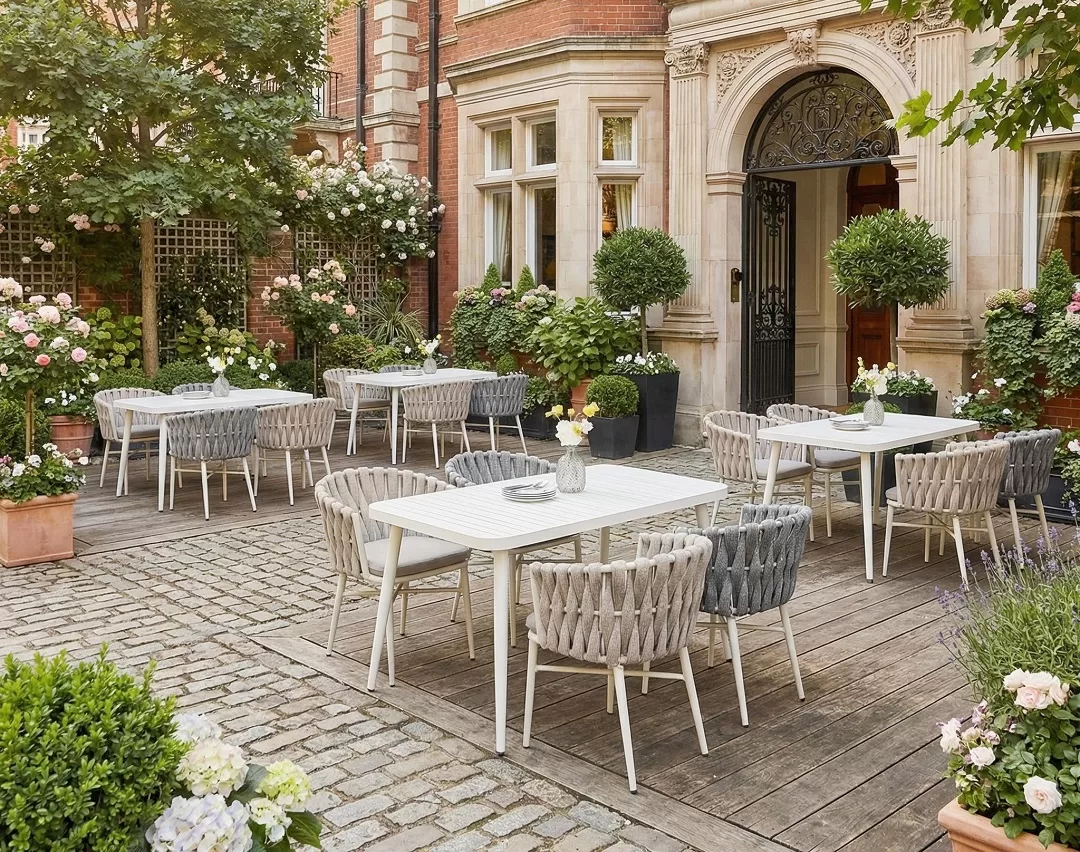
Part Five: How CDG Furniture Supports Your Restaurant Furniture Needs
As a specialized manufacturer of commercial custom furniture, CDG Furniture—widely known by its brand CDG—has been serving hotels, restaurants, clubs, and office spaces with factory-direct pricing and tailored solutions. Whether you’re opening a new restaurant or renovating an existing one, here’s how we can help.
For New Openings: End-to-End Customization
New restaurants require furniture that fits your space like a glove—not just aesthetically but dimensionally. We offer full customization on dimensions, upholstery materials, wood or metal finishes, and even branding elements like engraved logos. Our design team works with you from concept to production, ensuring every piece aligns with your brand vision. With integrated in-house manufacturing, we consolidate your entire furniture order—dining chairs, tables, booths, barstools, and outdoor seating—under one roof, streamlining your procurement process and reducing coordination headaches.
For Renovations: Strategic Refresh Solutions
Renovations don’t always require a complete overhaul. We provide targeted solutions:
- Selective replacement: Replace only the most worn or outdated pieces while matching existing furniture styles and finishes.
- Reupholstery services: Update tired seating with on-trend fabrics to align with 2026 color palettes—warm tones like terracotta, olive green, and caramel.
- Modular additions: Add flexible seating options like stackable chairs or modular lounge pieces to adapt your space for multiple dining formats.
- Small-batch orders: Our minimum order quantities for chairs or tables start at just 30 pieces, making partial renovations feasible and cost-effective.
Quality Assurance You Can Trust
Every piece of furniture we manufacture is built to commercial-grade standards. We use kiln-dried solid hardwoods (beech, oak, ash) for frame construction, high-density foam cushions (35–45 kg/m³) for long-lasting comfort, and performance fabrics tested to hospitality-grade durability. For international clients, we provide documented test reports and can guide you through compliance with BIFMA, EN, or regional fire safety standards like BS5852 (UK/EU) or CAL117 (US).
Reliable Lead Times and Global Logistics
We understand that restaurant projects operate on tight schedules. Our typical production lead times range from 15 to 45 days for wholesale orders, with clear communication at every stage. For renovation projects with urgent timelines, we prioritize quick-turnaround capabilities and can advise on air freight vs. sea freight options to meet your opening or reopening date.
Conclusion
Whether you’re building from the ground up or breathing new life into an existing space, the right furniture strategy can transform your restaurant’s performance. New openings demand comprehensive brand alignment, future-proof durability, and coordinated planning across all furniture categories. Renovations require strategic assessment of repair vs. replace decisions, alignment with current design trends, and smart budgeting that maximizes impact per dollar spent.
In both scenarios, choosing the right manufacturing partner makes all the difference. At CDG Furniture, we bring decades of commercial furniture expertise, factory-direct pricing, and a commitment to quality that restaurant owners and operators can rely on. Whether you’re outfitting a 20-seat café or a 200-seat fine dining establishment, we’re ready to help you create a dining space that customers will love—and keep coming back to.
Ready to discuss your restaurant furniture project? Contact us today for a consultation and quote.
RECENT POSTS
- Styling Your Outdoor Space: Choosing Cafe And Restaurant Outdoor Furniture
- How To Choose Commercial Outdoor Dining Furniture For An Unforgettable Customer Experience
- Custom Banquette Seating And Upholstered Restaurant Booths
- Bistro Furniture Vs Cafe Furniture: What‘s the Difference?
- Cost-Effective High-Quality Cafe Furniture For Coffee Shops
- Small Patio, Big Revenue: Outdoor Furniture Planning Tips For Restaurants
- How To Arrange Seats For High-Traffic Commercial Restaurants
- Small Balcony Furniture Ideas: Maximize Compact Outdoor Space
- The Rise of Minimalist Woven Outdoor Dining Furniture
- Encountering CDG Furniture At The 139th Canton Fair: Your Trusted Horeca & Outdoor Furniture Partner