

The Evolution of Iron Table Legs: A Comprehensive Guide
Iron table legs have a fascinating history that spans centuries. From humble beginnings to modern design trends, these sturdy supports have undergone significant changes. Let's delve into the evolution of iron table legs and explore the diverse styles and innovations that have shaped their use in furniture design.
Origins of Iron Table Legs
Iron table legs date back to ancient civilizations where blacksmiths crafted intricate designs to support tables of various shapes and sizes. These early pieces were not only functional but also served as works of art, showcasing the skill and creativity of the artisans.
The Industrial Revolution and Mass Production
With the advent of the Industrial Revolution, iron table legs became more standardized as mass production techniques were introduced. This era saw the rise of utilitarian designs that prioritized durability and efficiency over intricate detailing.
Modern Trends and Contemporary Designs
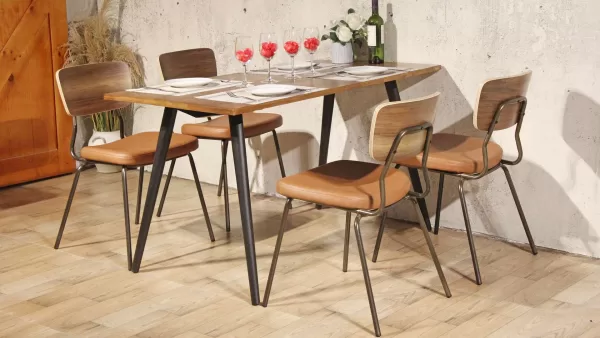
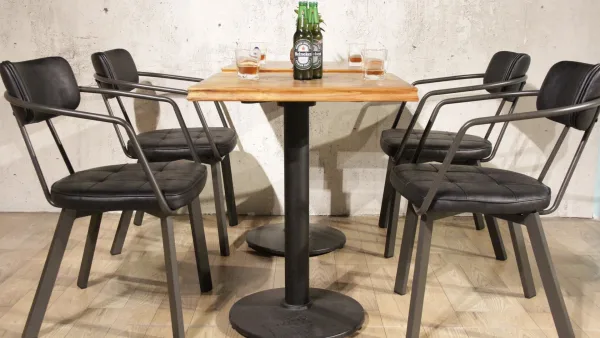
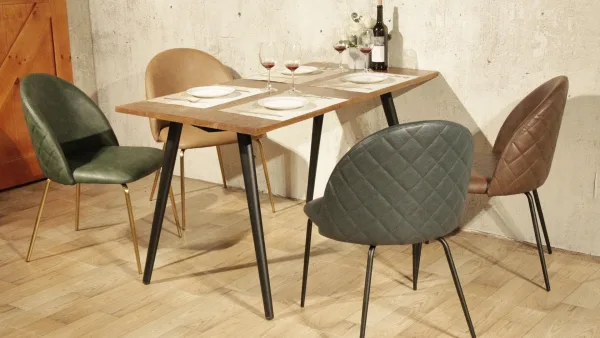
Today, iron table legs continue to be popular in both industrial and modern interior design styles. Sleek, minimalistic designs combine with traditional craftsmanship to create pieces that are not only functional but also aesthetically pleasing.
The Versatility of Iron Table Legs
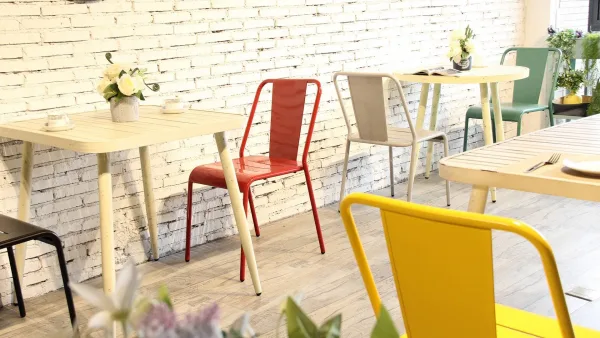
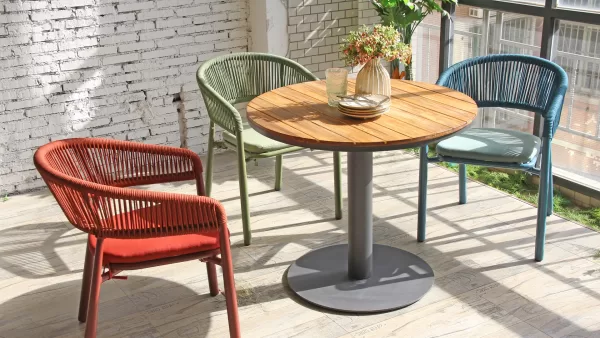
One of the key advantages of iron table legs is their versatility. Whether used in rustic farmhouse tables or sleek urban lofts, these durable supports can complement a wide range of design aesthetics. Their strength and stability make them an ideal choice for both residential and commercial settings.
Conclusion
The evolution of iron table legs reflects the changing trends in furniture design and manufacturing techniques. From ancient artisanal creations to modern mass-produced pieces, these sturdy supports have stood the test of time and continue to be a staple in interior decor.